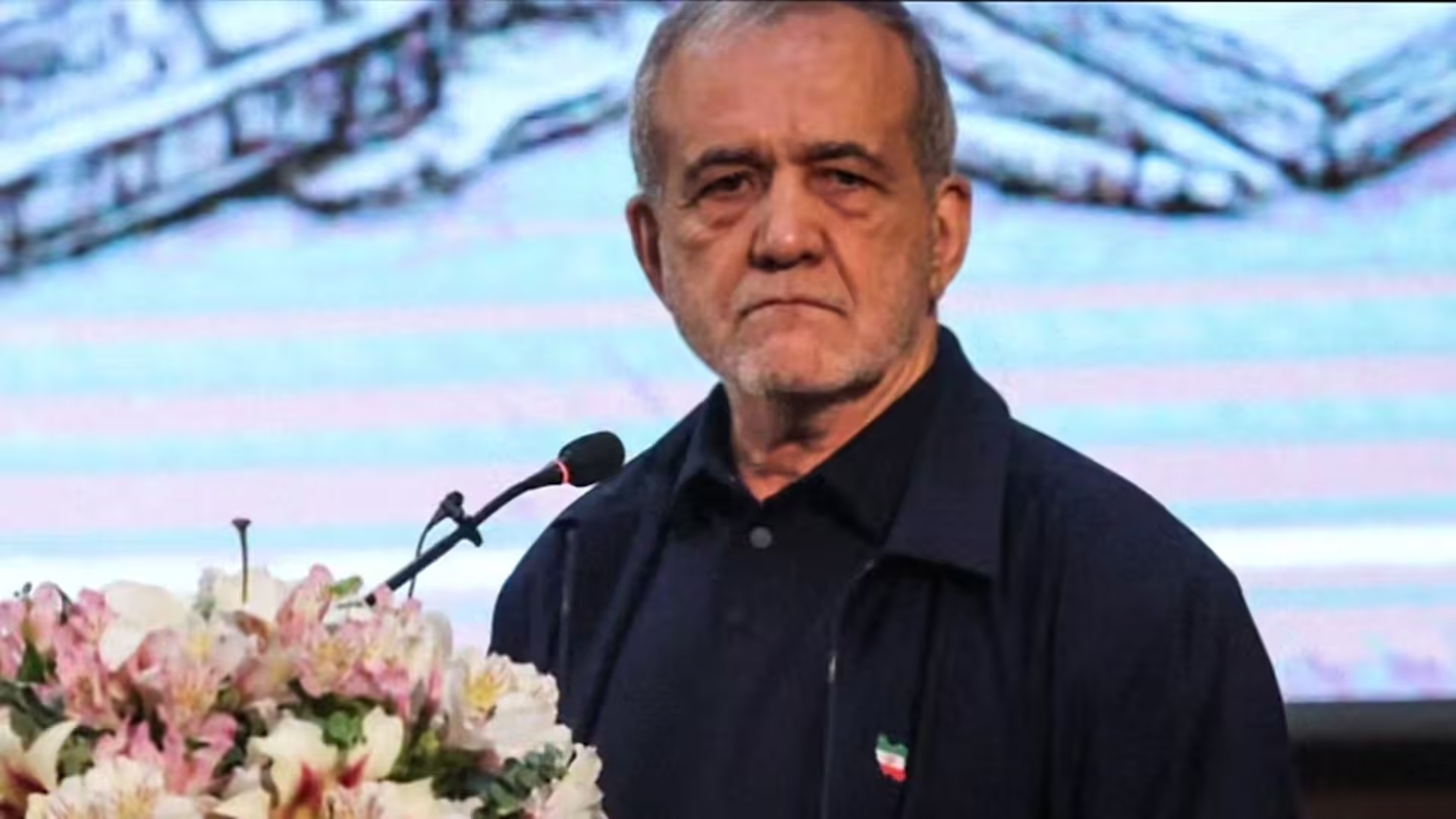
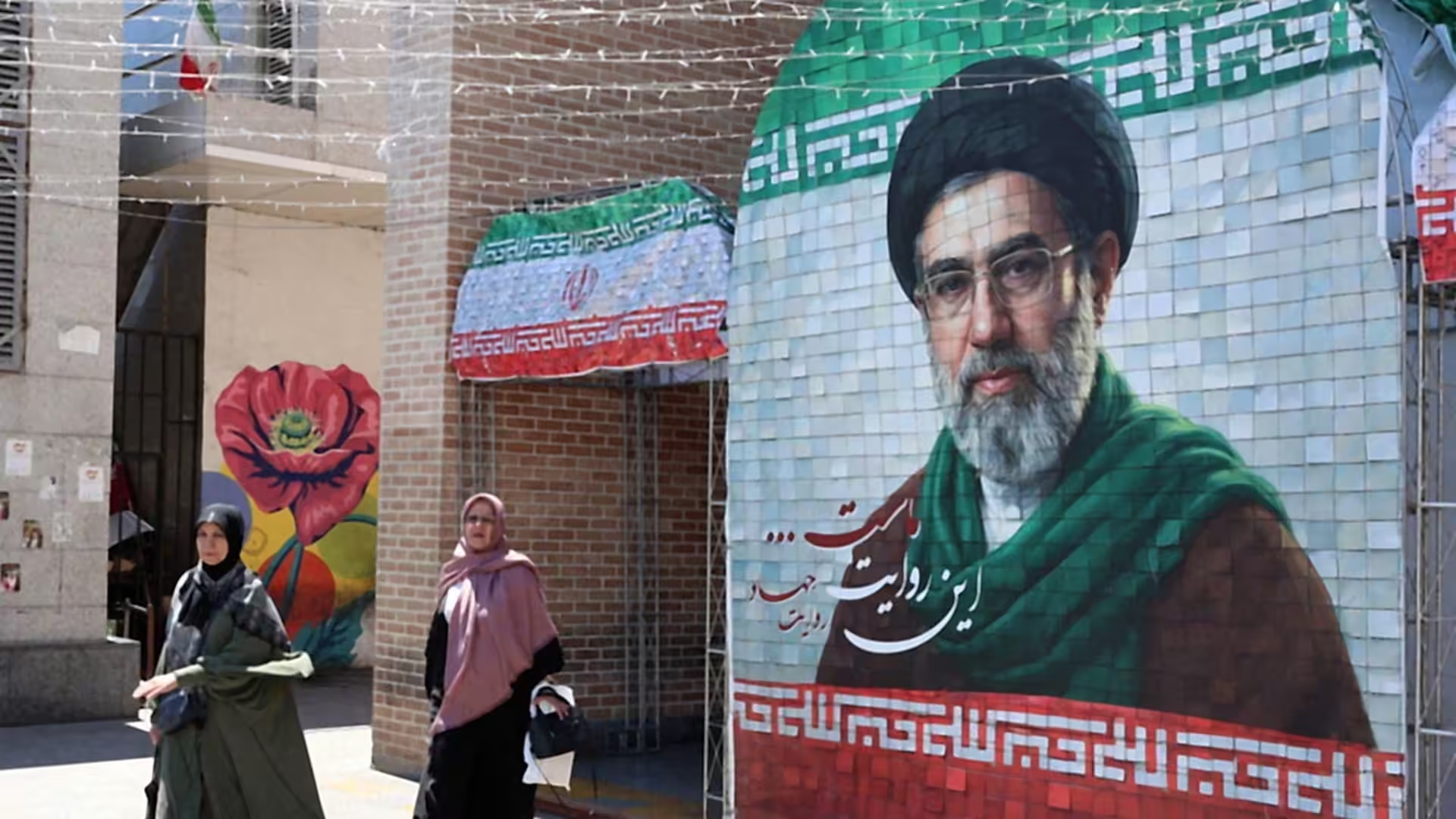
Iran's President Masoud Pezeshkian issued an order Monday to restore citizens' access to international internet following an 87-day near-total blackout, according to Iranian state media reports citing officials.
The blackout began in the wake of the war against the United States and Israel. Most Iranians have been unable to access the global web during this period, with only a limited number of citizens able to circumvent restrictions through expensive and advanced virtual private networks, according to internet observatory NetBlocks.
The head of public relations at Iran's Communications Ministry confirmed the order, state media reported. However, the specific mechanism for how and when internet access would be restored remained unclear as of Monday evening. No reports of actual internet restoration had been made by the time of the reports.
The timing of the order coincided with advanced contacts between the United States and Iran on an agreement to extend a ceasefire, though it was not clear whether the two developments were connected.
Questions remain about the extent of decision-making power held by Pezeshkian within Iran's political structure. The Revolutionary Guards, whose influence has grown significantly since the outbreak of the war, are viewed as the real power center in the regime.
Iran's clerical authorities have routinely imposed internet blackouts when they perceive serious challenges to their rule. A similar blackout occurred in January at the height of anti-regime activity.
Separately, the IRGC-affiliated Tasnim News agency denied reports by Al-Hadath regarding details of the U.S.-Iran negotiations. Tasnim stated that Iran had made no commitment in the current draft memorandum with the United States to transfer nuclear material out of the country or take any nuclear-related action. The outlet characterized the Al-Hadath report as "false" and part of what it called a U.S. psychological operation.
Mohammad Bagher Zolghadr, secretary of Iran's Supreme National Security Council, said in his first message to the Iranian public that the country would not step back, stating "There will be no retreat."