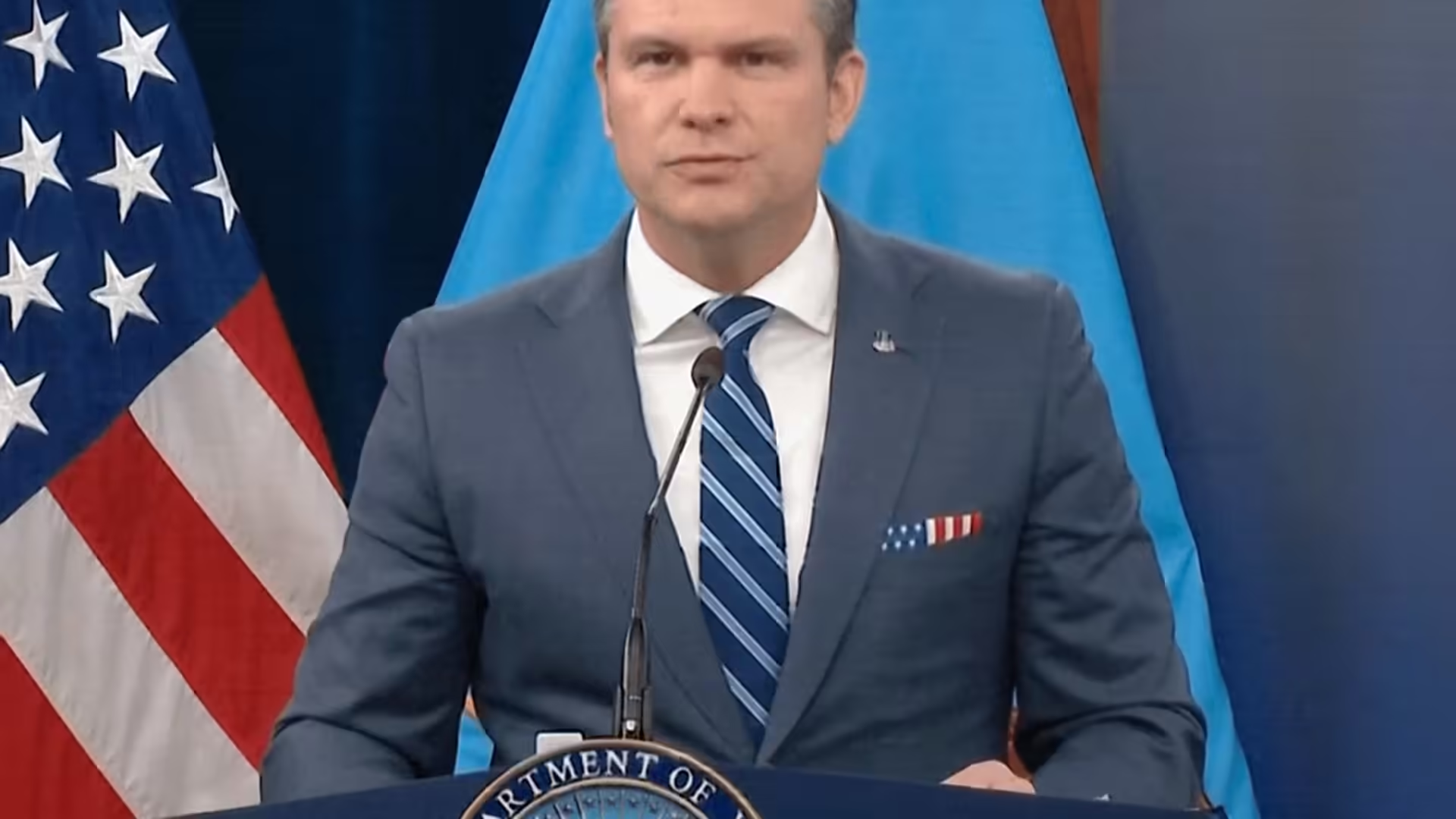
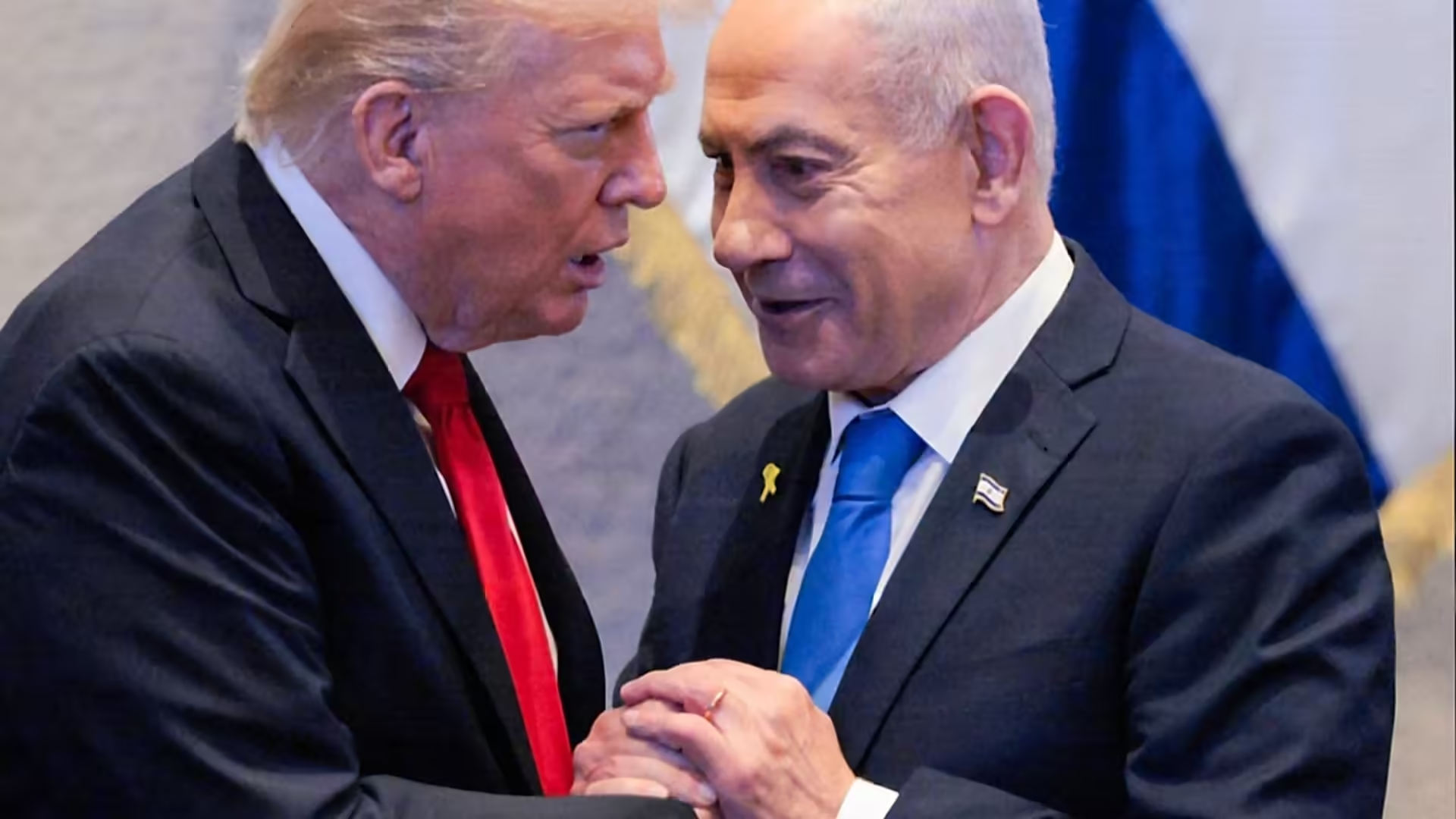
German Chancellor Friedrich Merz said Monday that the United States is being "humiliated" by Iran's leadership in the ongoing conflict, warning that Washington lacks a clear strategy and a viable path out of the war.
Speaking to students in Marsberg, a town in his home region of Sauerland, Merz assessed that Iran has proven "clearly stronger than expected" while American negotiators appear outmatched at the table. "The Iranians are clearly stronger than expected and the Americans clearly have no truly convincing strategy in the negotiations either," he said.
Merz drew parallels to previous military engagements, cautioning that the fundamental challenge in such conflicts extends beyond initial military action. "The problem with conflicts like this is always: you don't just have to get in, you have to get out again. We saw that very painfully in Afghanistan for 20 years. We saw it in Iraq," he said.
The German chancellor questioned the Trump administration's approach to negotiations with Tehran. "At the moment, I do not see what strategic exit the Americans will choose, especially since the Iranians are clearly negotiating very skillfully — or very skillfully not negotiating," Merz said.
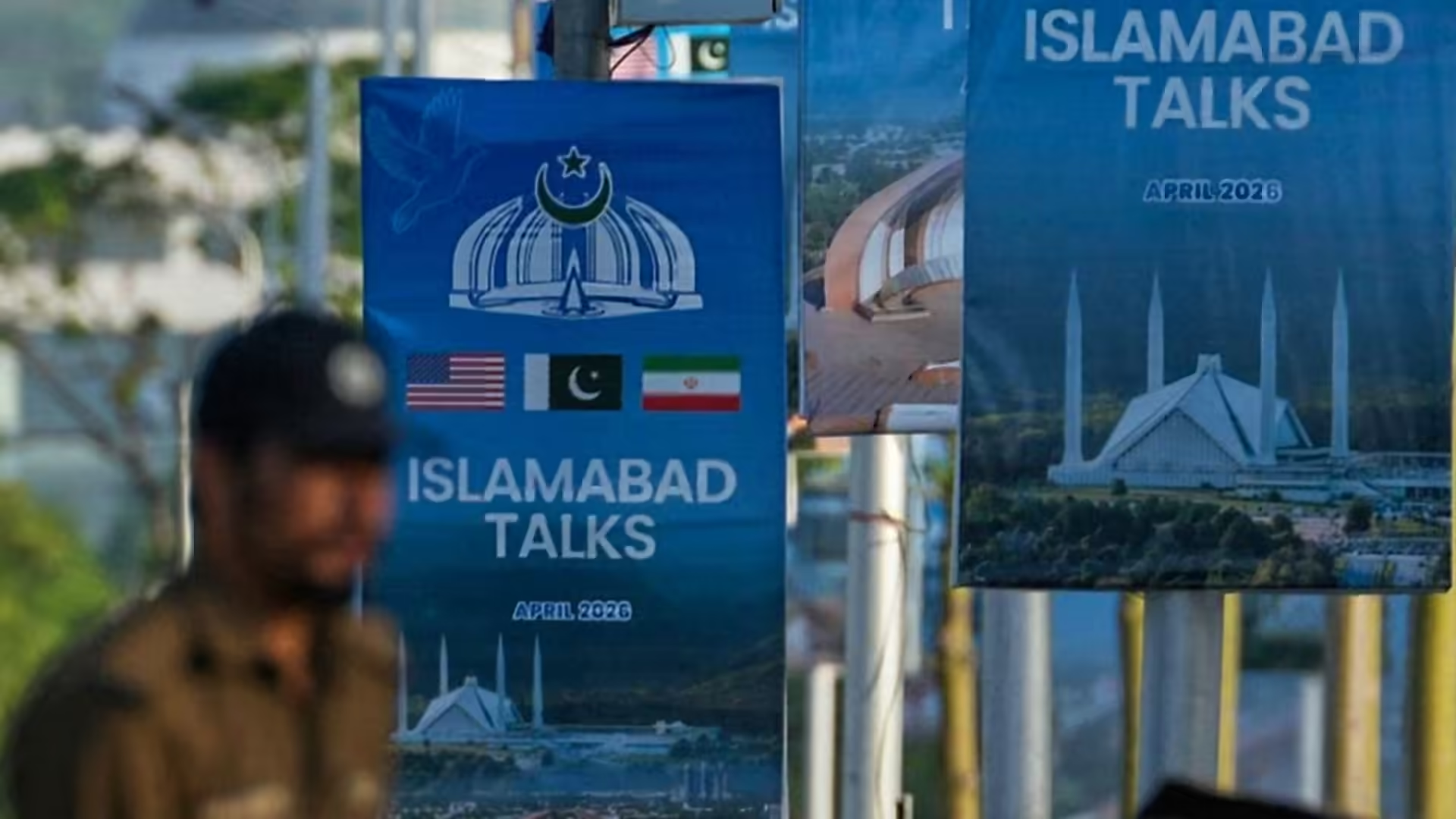
His remarks came two days after President Donald Trump cancelled a planned trip by US negotiators to Islamabad for indirect talks with an Iranian delegation. A previous round of talks in the Pakistani capital two weeks earlier, led by Vice President JD Vance, ended without progress.
Merz's assessment directly contradicts Trump's public statements on the matter. A day before Merz's comments, Trump told Fox News: "We have all the cards," and suggested that if Tehran wanted to talk, "they can come to us, or they can call us."
The German chancellor's criticism reflects broader concerns among NATO allies about the direction of US-Iran negotiations and the transatlantic relationship. His comments align with assessments from international affairs experts who have questioned the effectiveness of military approaches in the conflict.
Political scientist Vali Nasr of Johns Hopkins University has argued that US and Israeli military options "have come up short" and that the United States has no alternative but to pursue a diplomatic solution with Iran. Nasr stated that Iran's objective is to demonstrate to the US and Israel that "war with Iran isn't easy," and that successful negotiations require both sides to reach a deal rather than demand surrender.