Politics
Trump administration halts $1.8 billion anti-weaponization fund
A federal court blocked the fund temporarily; the DOJ said it will comply with the ruling despite disagreeing with it.
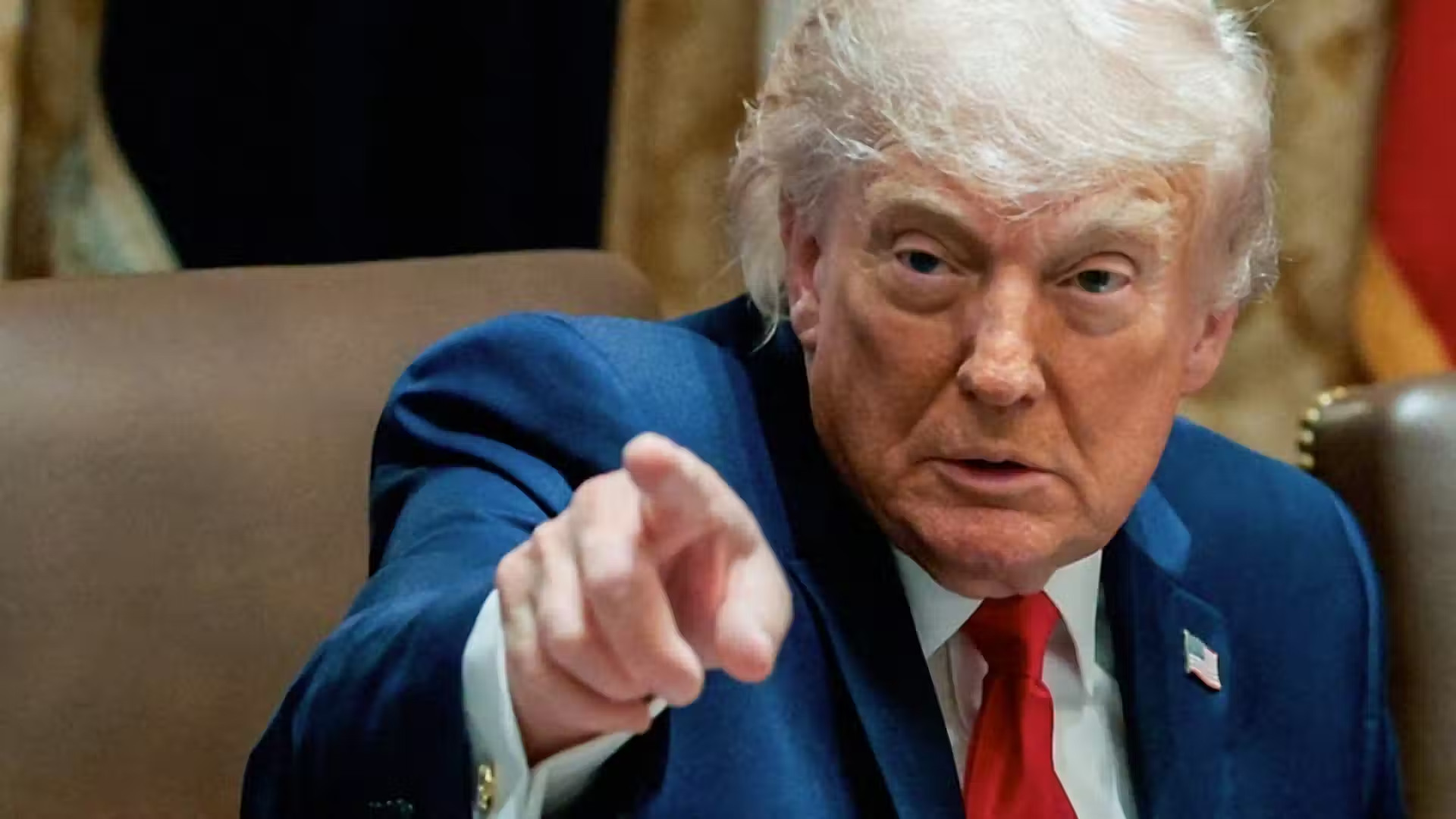
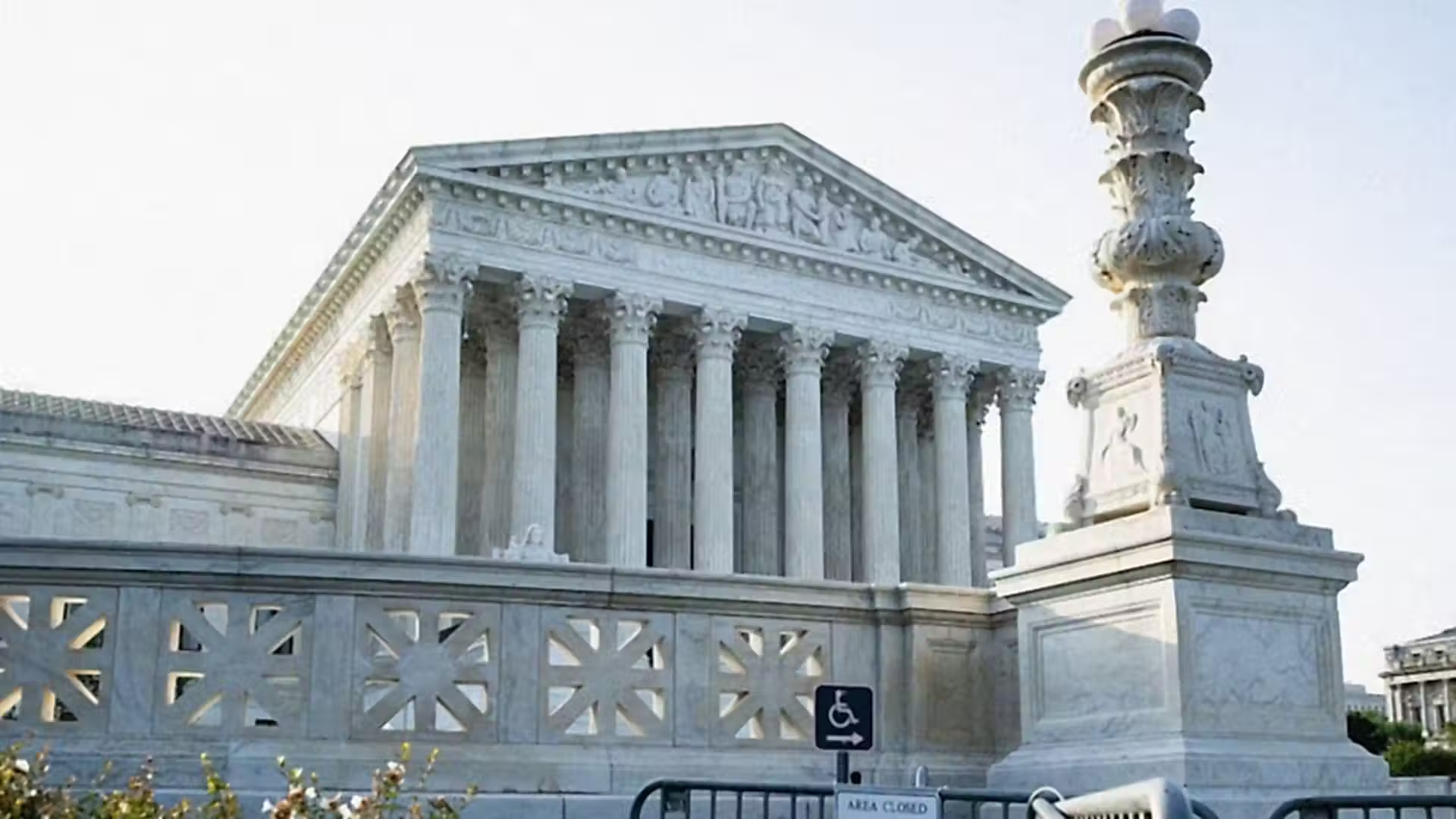
The 6-3 ruling overturns decades-old restrictions on coordinated expenditures between political parties and candidates, expanding money's role in elections.
3:44 PM
The Supreme Court on Tuesday struck down federal limits on the amount of money political parties can spend in coordination with candidates for office, ruling 6-3 along ideological lines that the restrictions violate the First Amendment.
In the case National Republican Senatorial Committee v. Federal Election Commission, the court's conservative majority found that caps on coordinated party expenditures are unconstitutional. Justice Brett Kavanaugh authored the majority opinion.
The decision overturns restrictions enacted in 1974 as part of the Federal Election Campaign Act, a post-Watergate law passed by Congress to limit the amount of money individuals can give to political parties and the amount parties can spend on candidates. The law had withstood a previous legal challenge 25 years earlier in the 2001 case FEC v. Colorado Republican Federal Campaign Committee.
The NRSC mounted a First Amendment challenge beginning in 2022, arguing that the coordinated-expenditure limits were unconstitutional. The committee contended that subsequent developments—including the rise of super PACs, changes in campaign finance law, and the Supreme Court's 2010 decision in Citizens United v. FEC—had made the 2001 precedent obsolete.
Unlike political parties, other types of organizations such as political action committees and super PACs have no limits on the amount of money they can raise and spend on elections. However, unlike parties, these organizations cannot coordinate directly with candidates.
The ruling applies equally to all political parties, according to the majority. The court's three liberal justices opposed the decision.
The case stems from a 2022 lawsuit that included involvement from Republican former congressman Steve Chabot of Ohio and others challenging the Federal Election Commission's enforcement of the coordinated-expenditure limits.
The decision further expands the role that money will play in American politics, coming months ahead of the midterm elections scheduled for later this year.
A federal court blocked the fund temporarily; the DOJ said it will comply with the ruling despite disagreeing with it.
The 6-3 ruling eliminates one of two Black-majority districts, weakening protections under the Voting Rights Act ahead of November midterms.
The 5-4 ruling protects Cook's tenure while requiring due process. A separate 6-3 decision allows Trump to fire FTC commissioners.
The prediction market platform sanctioned political candidates for insider trading after implementing new safeguards against self-dealing.
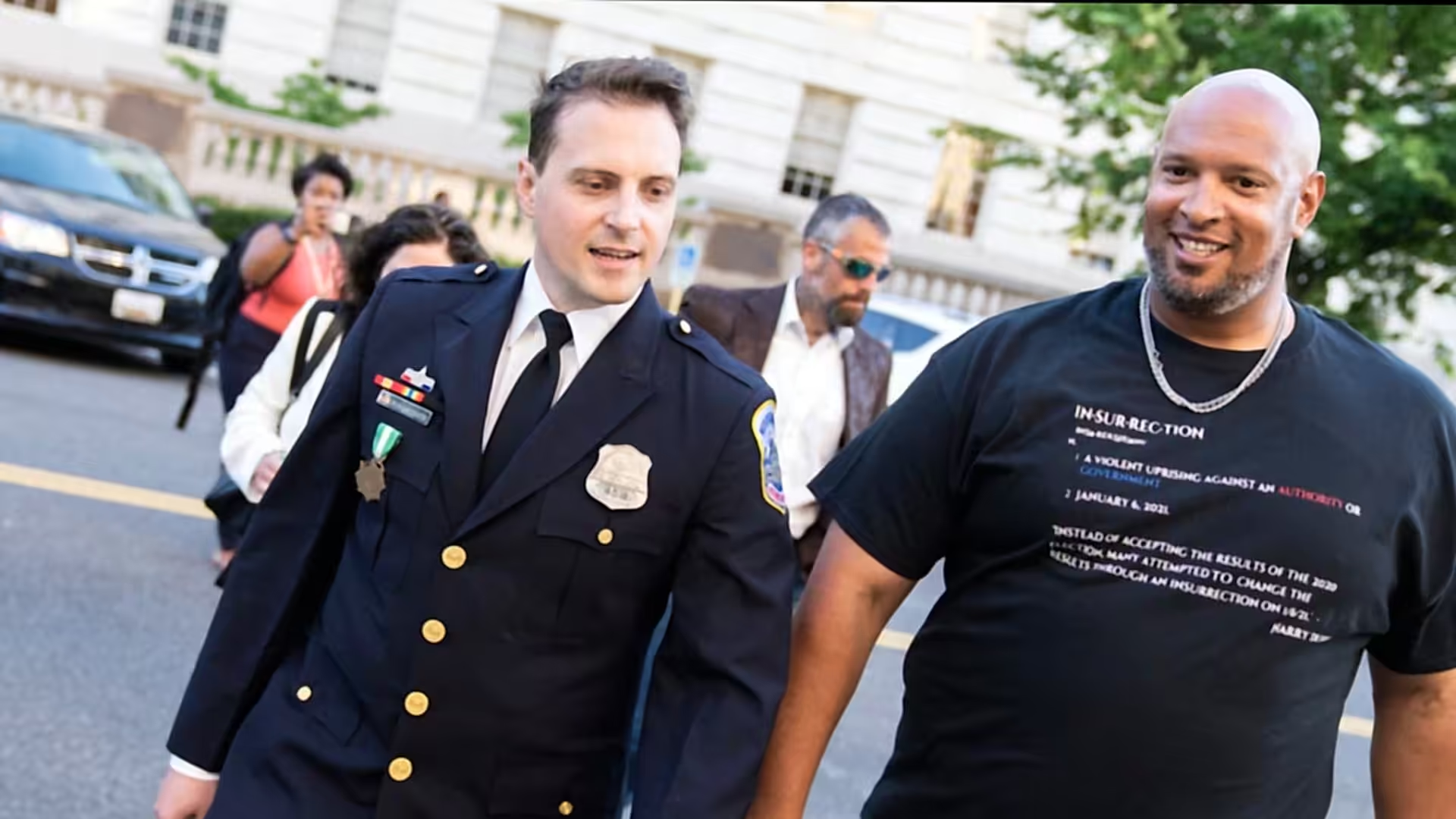
Capitol and Metro police officers Harry Dunn and Daniel Hodges filed suit to block a DOJ-administered fund created to compensate Trump allies.
A federal jury ruled that Musk filed his case too late, rejecting claims that Altman breached a non-profit contract by shifting ChatGPT-maker to for-profit status.