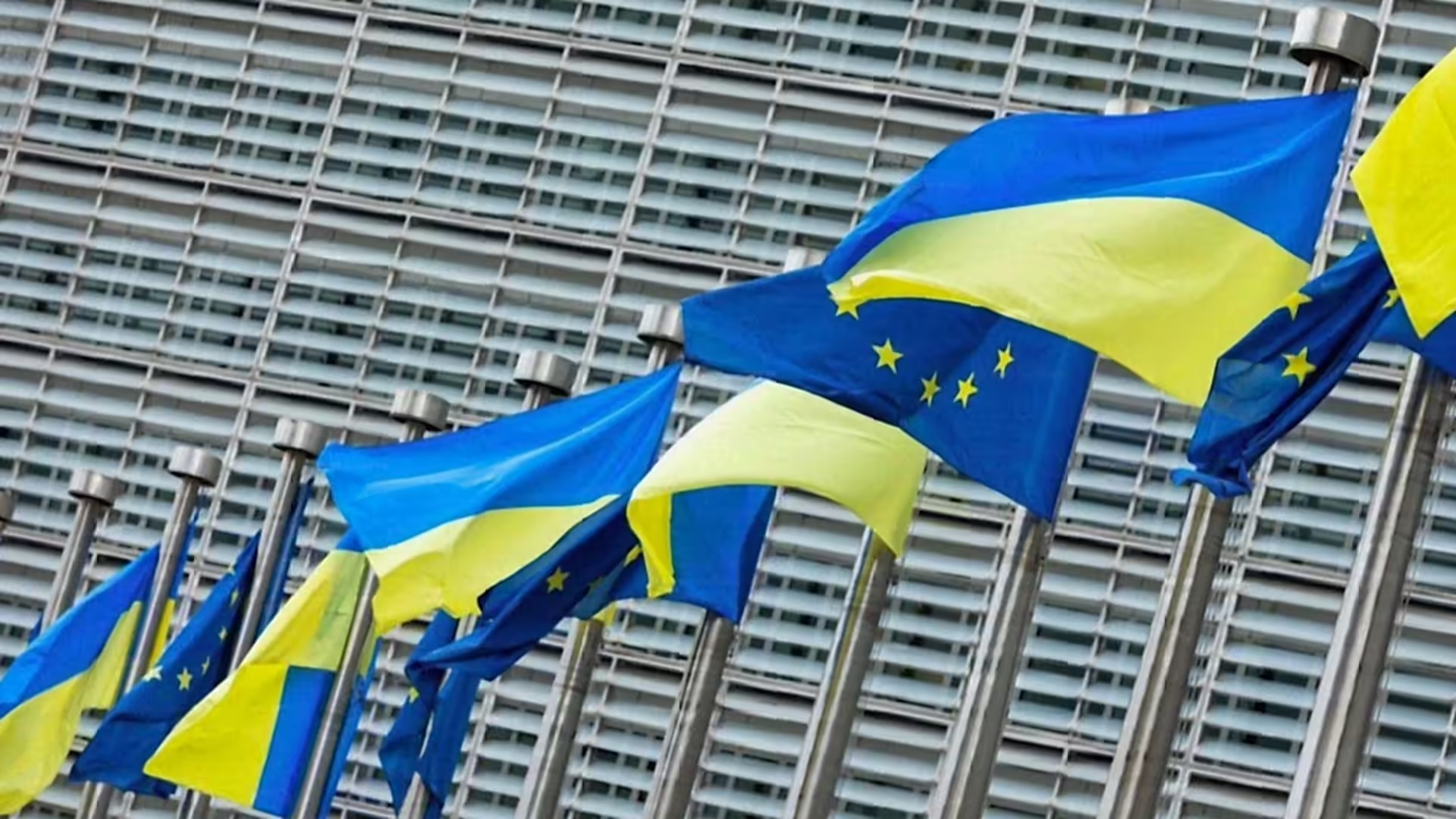
EU member state ambassadors approved a €90 billion loan to Ukraine and the 20th sanctions package against Russia on Wednesday, ending a veto that had blocked the measures for two months.
The permanent representatives of the 27 EU member states voted at the Committee of Permanent Representatives (COREPER) level in Brussels. A spokesperson for the Cyprus presidency of the EU confirmed the approval to reporters.
"Both the €90 billion loan to Ukraine and the 20th sanctions package were included in the agenda for EU ambassadors today and approved at the COREPER level," the spokesperson said. "The decisions will now undergo a written procedure for final approval by the Council."
The written procedure is expected to be completed Thursday afternoon, according to the Cyprus presidency. Final approval by all member states is scheduled for Thursday.
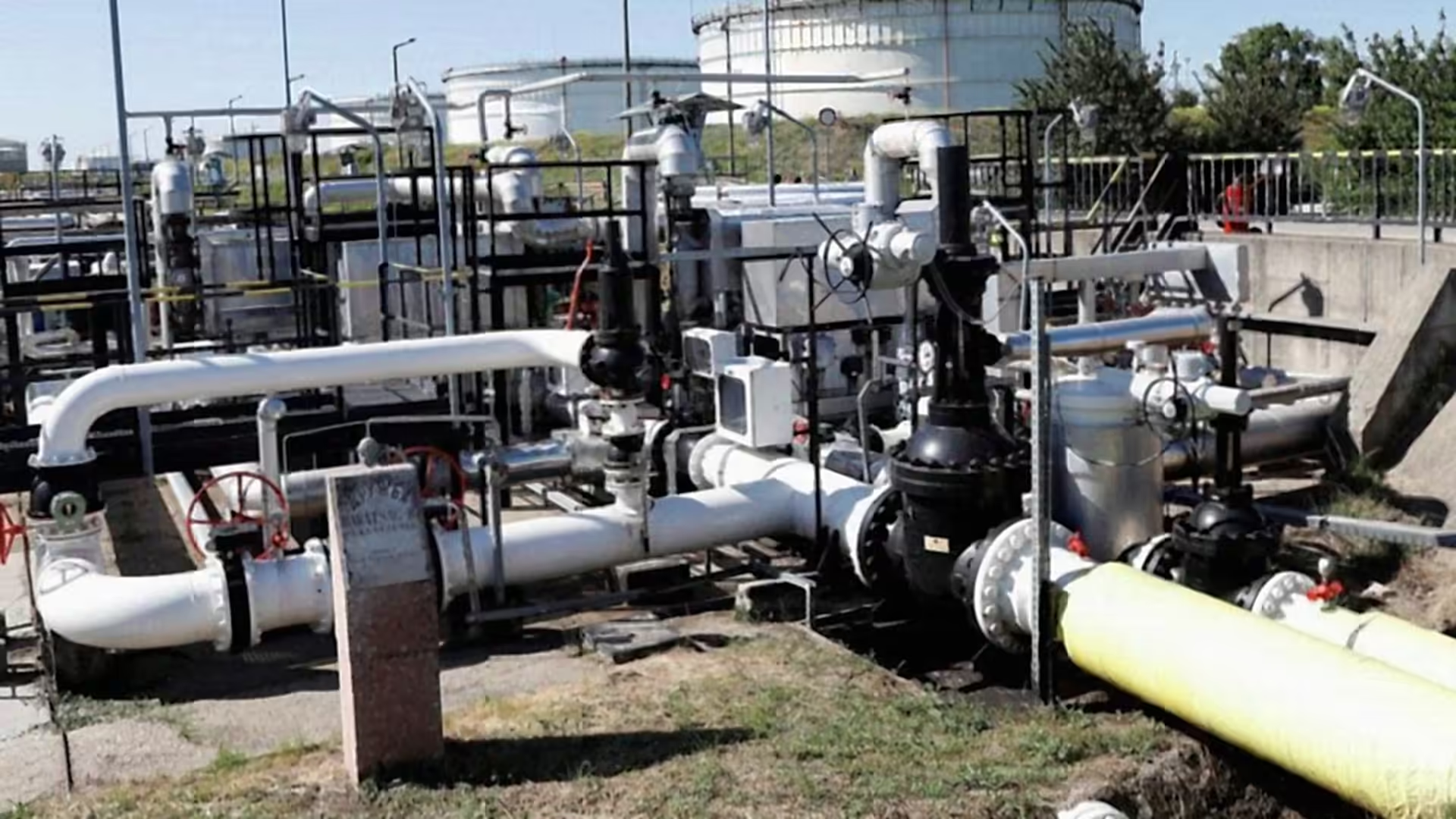
Hungary had blocked the loan and sanctions package for several months. The decision to lift the veto came after Hungarian Prime Minister Viktor Orban's defeat in April elections. The approval also followed Kyiv's announcement that the Druzhba pipeline, which transits Ukraine, had restarted deliveries of Russian oil to Hungary and Slovakia.
The loan is intended to assist Ukraine with urgent economic and military needs as the country continues to defend against Russia's full-scale invasion. The 20th sanctions package against Russia was originally proposed by the European Commission to take effect on February 24, marking four years since Russia's invasion began, but had been delayed pending unanimous approval from all EU member states.
The Cyprus presidency said it "worked tirelessly to ensure that the EU continues to strongly support Ukraine and put pressure on Russia."
Diplomats noted that Hungary and Slovakia could theoretically still halt the approval process if Russian oil does not arrive in the EU by Thursday, though the pipeline restart has removed a major point of contention between the countries.