Entertainment
Argentine music figures mourn death of Indio Solari
Musicians and broadcasters express shock and grief following the passing of Los Redondos' iconic frontman on Friday.

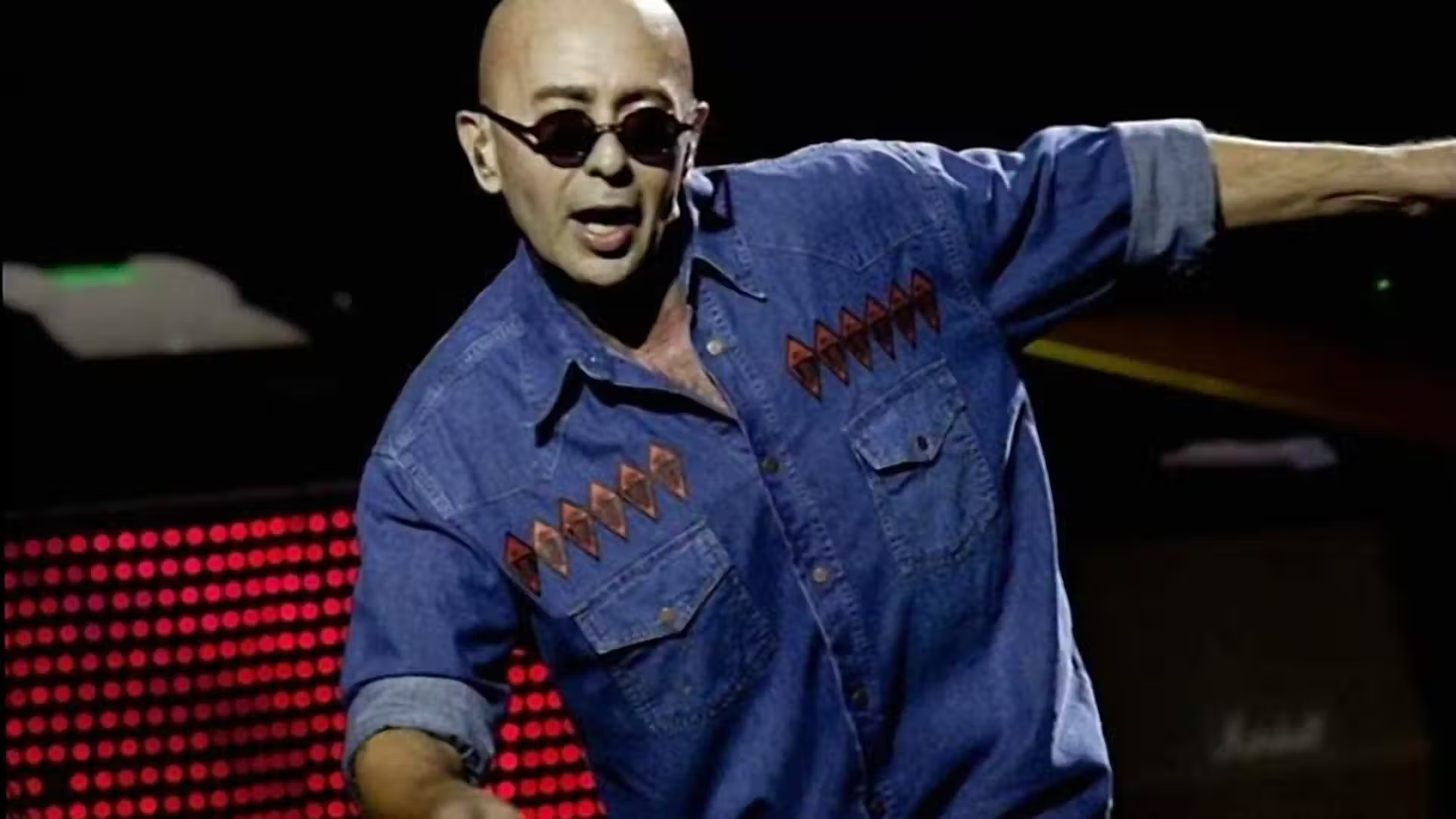
The Argentine rock legend's final performances drew hundreds of thousands to rural venues, with "Jijiji" becoming the anthem of massive crowd gatherings.
10:53 AM
Carlos Alberto Solari, known as the Indio, built a career around live performances that drew unprecedented crowds to remote locations across Argentina. His concerts, often held in rural settings, became known as "misas ricoteras"—pilgrimages that attracted fans from across the country.
The most emblematic song associated with these gatherings was "Jijiji," composed by Solari and Skay Beilinson. The track appeared on the band's second album, Oktubre, released in 1986. In 2002, MTV and Rolling Stone Argentina ranked "Jijiji" fifth among the 100 best songs of Argentine rock, behind "La balsa," "Muchacha ojos de papel," "Rasguña las piedras," and "De música ligera."
According to Beilinson, the song emerged from an improvisational process. The guitarist composed it while sitting on a small balcony on the first floor of his house on Soler Street. He began experimenting with guitar chords one afternoon and developed what would become the soundtrack to what observers described as the world's largest pogo—a form of crowd dancing and movement at concerts.
The song continued to be performed at solo concerts by both Solari and Beilinson throughout their careers. Over time, "Jijiji" transformed from a single track into a cultural phenomenon, becoming inseparable from the massive gatherings that defined Solari's live performances.
Solari's final concert took place on March 11 in Olavarría, a town in Buenos Aires Province, at a rural venue called La Colmena. Hundreds of thousands of fans traveled from across Argentina to attend what many recognized would be his last live performance. The event marked the definitive end of the multitudinous pilgrimages that had characterized his career. During the concert, a significant moment came with a ritual blackout, when all lights at the venue were extinguished as part of the performance.
Fans who attended that final show in Olavarría described the experience as a moment they knew would be recorded in the national artistic archive. The concert represented the culmination of decades of live performances that had drawn devoted audiences to remote locations throughout Argentina.
Musicians and broadcasters express shock and grief following the passing of Los Redondos' iconic frontman on Friday.
Carlos "El Indio" Solari, founding member and lead singer of Patricio Rey y sus Redonditos de Ricota, died Friday after battling Parkinson's disease.

The Redonditos de Ricota leader was a devoted Boca fan who played football recreationally and even dedicated poetry to Juan Román Riquelme.
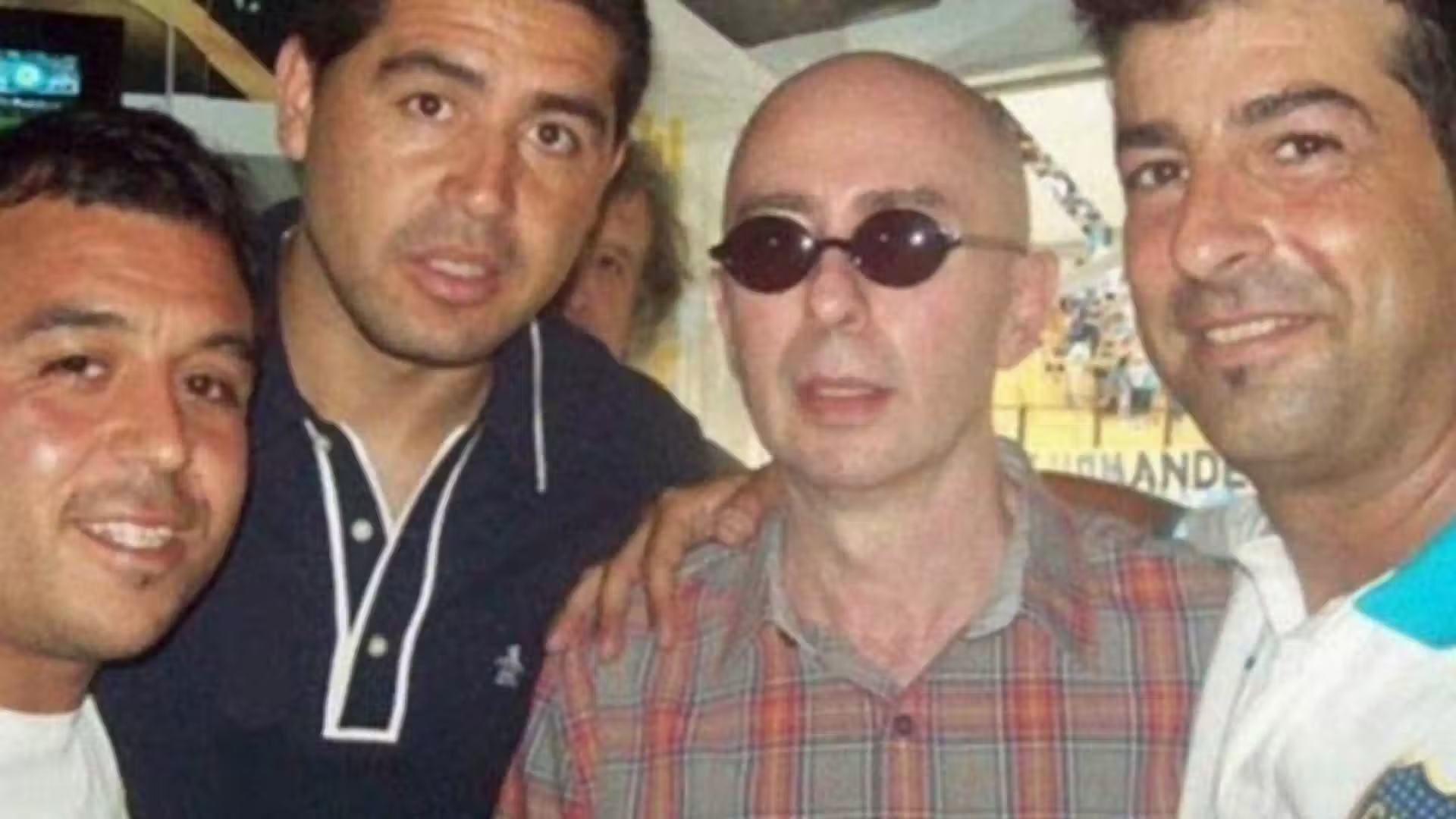
The neurodegenerative illness forced the legendary musician to step back from performing after his 2016 diagnosis.
Colombian singer Shakira performs Saturday evening at Copacabana Beach in Rio de Janeiro, with organizers expecting over 2 million attendees and Brazilian artists joining as guests.
Sicilian singer Delia substituted a key word in the resistance anthem during the Concertone, sparking social media backlash and debate.