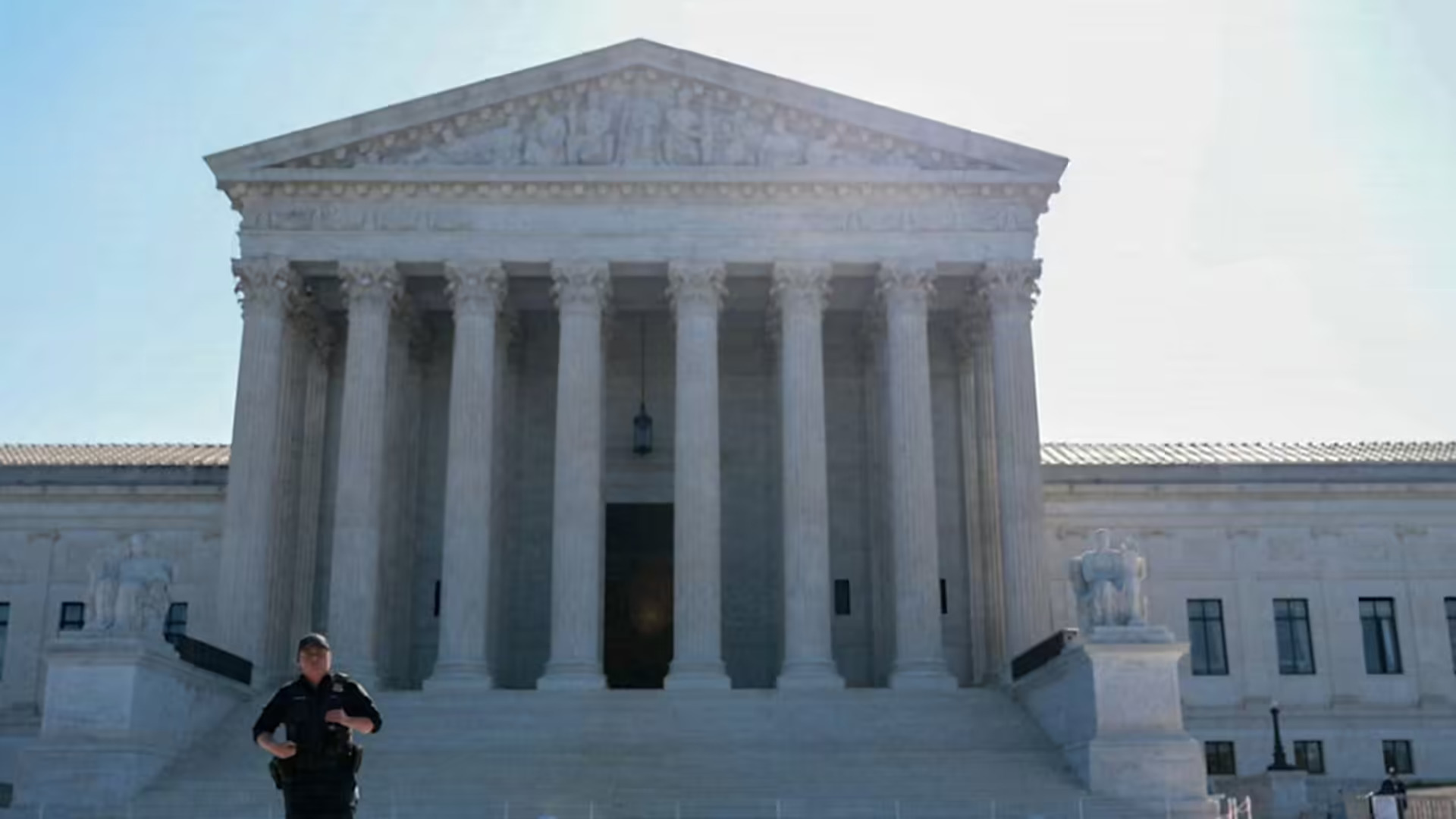
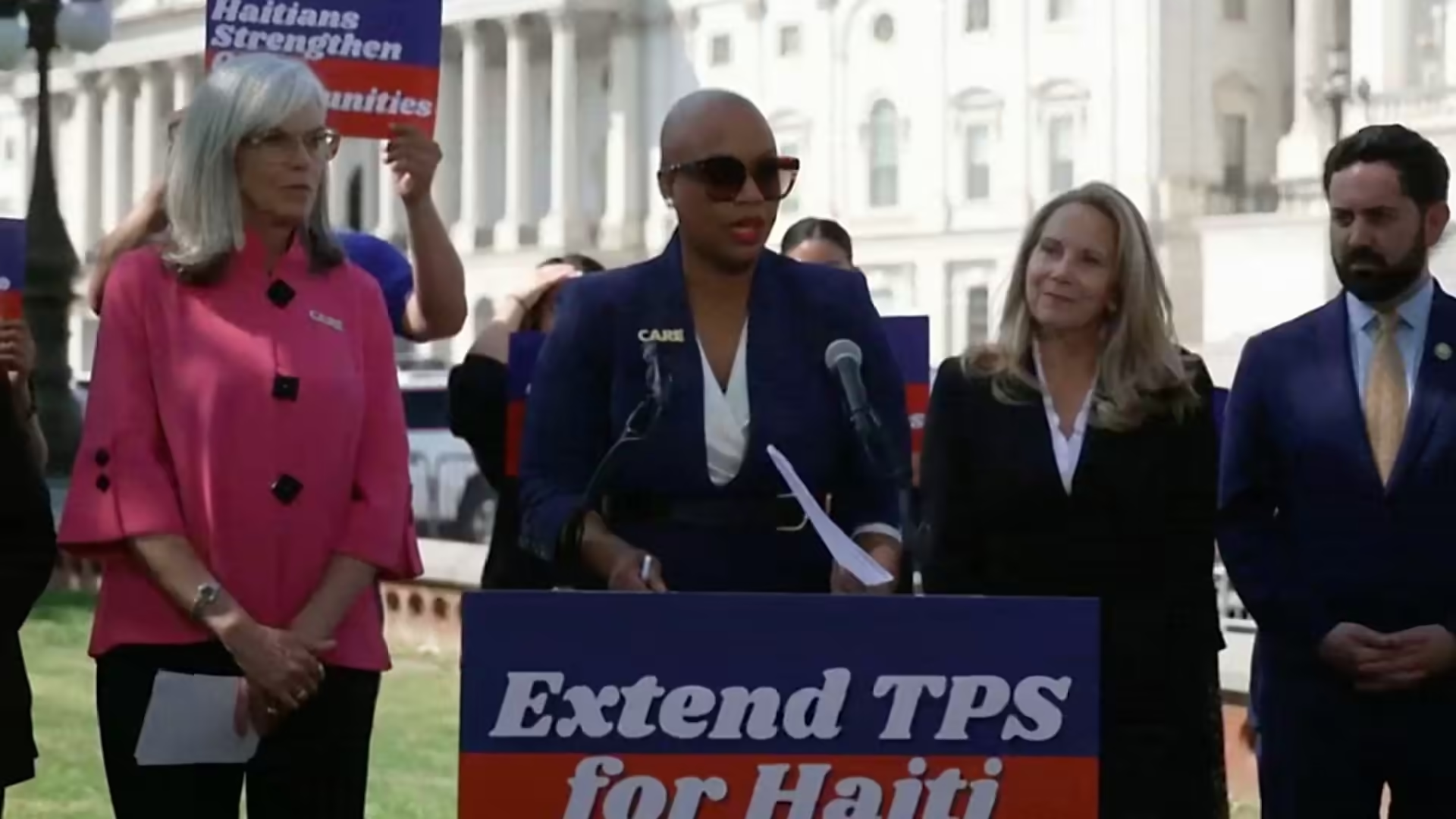
The Supreme Court on Wednesday heard arguments over the Trump administration's push to rescind Temporary Protected Status for more than 6,000 Syrian and 350,000 Haitian immigrants.
The cases before the court, known as Mullin v. Doe and Trump v. Miot, stem from decisions by then-Secretary of Homeland Security Kristi Noem to end TPS for the two groups. In both cases, Noem determined that after consulting with other agencies and reviewing conditions in Syria and Haiti, the countries no longer met the criteria for the protection program.
Syria's TPS designation was set to end in November 2025, while Haiti's was scheduled to expire in February 2026. Immigrants from both countries were given roughly 60 days from Noem's decisions to prepare for the status revocation.
The effort to revoke TPS represents one component of President Trump's broader immigration agenda, which centers on mass deportations. Since the start of the president's second term, the Trump administration has moved to end the relief for approximately 1 million immigrants from 13 countries total.
Temporary Protected Status is a program that allows foreign nationals from designated countries experiencing armed conflict, environmental disaster, or other extraordinary conditions to remain and work in the United States temporarily. The designation requires periodic review and renewal based on whether conditions in the country of origin continue to warrant protection.
The administration's challenge to the TPS designations for Syria and Haiti follows the standard legal process for revoking such protections, which involves agency consultation and assessment of country conditions. The Supreme Court's consideration of the cases will determine whether the administration's determinations that conditions no longer warrant protection can proceed.