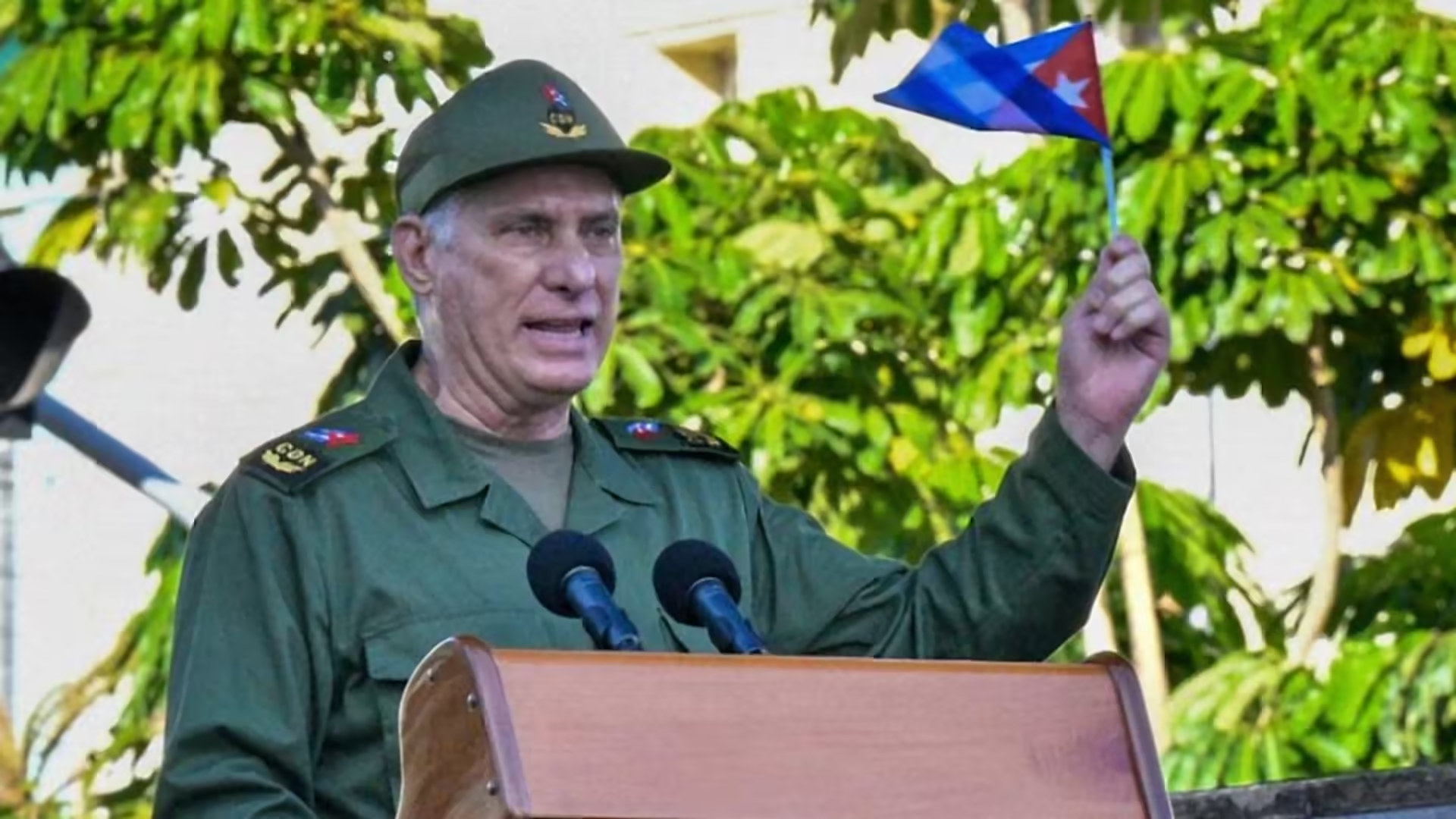
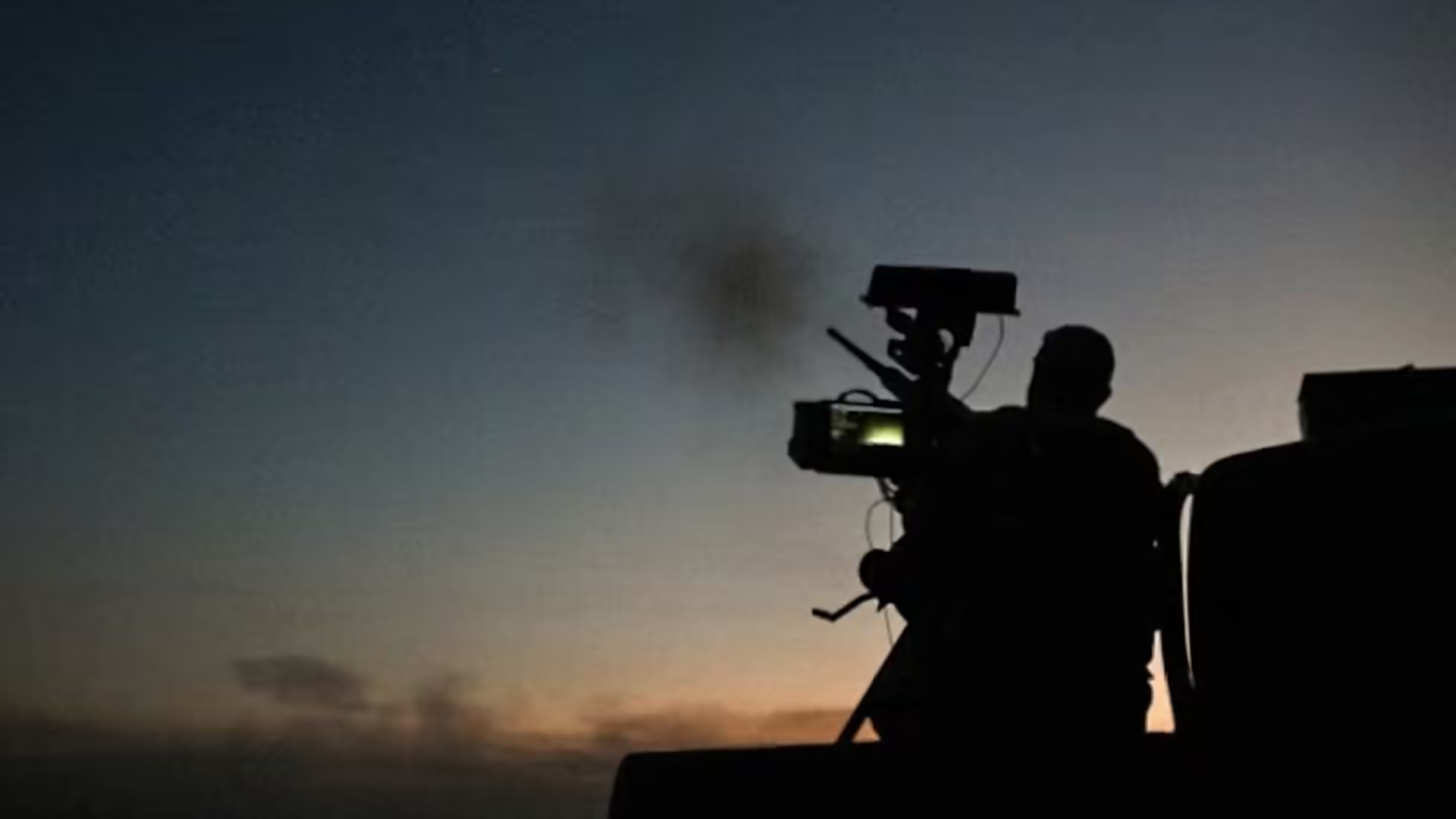
Cuban President Miguel Díaz-Canel warned Thursday of a real possibility of U.S. military aggression against Cuba, urging the nation to prepare for a potential armed conflict amid escalating tensions between the two countries.
Speaking in Havana during a ceremony marking the 65th anniversary of the failed 1961 Bay of Pigs invasion, Díaz-Canel said Cuba does not want confrontation but must be ready to defend itself. "We do not want it, but it is our duty to prepare to avoid it and, if it becomes inevitable, to defeat it," he told thousands gathered at the rally.
The Cuban leader said the moment is "extremely challenging" and called on citizens to be prepared to confront serious threats, including military aggression. He emphasized that the nation is "ready" for another attack as U.S. President Donald Trump continues to threaten Cuba.
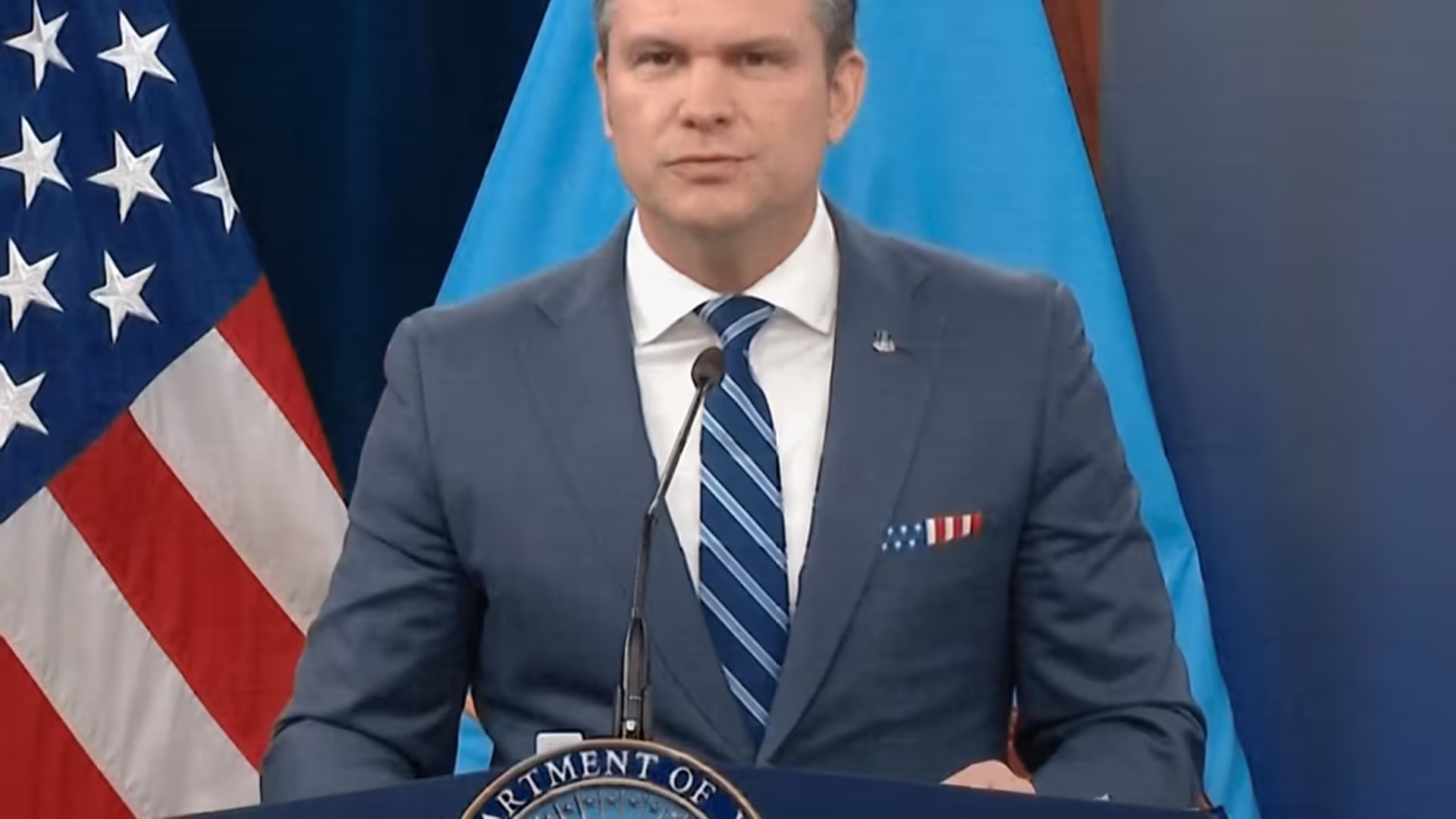
Trump's administration has signaled increased focus on Cuba. Earlier this week, Trump said his administration could focus on Cuba after the war in Iran ends, according to officials.
The Bay of Pigs ceremony commemorated a CIA-backed operation launched in 1961 after U.S.-owned properties and businesses on the island were nationalized by Fidel Castro and his fellow revolutionaries. The invasion attempt failed and marked a significant moment in U.S.-Cuban relations.
Cuba and the United States have been adversaries since the country's 1959 revolution. Tensions have intensified under Trump's current administration, which has maintained and escalated rhetoric against the island nation.
Cuba's economic situation has deteriorated amid a U.S. energy blockade that has affected tourism and other sectors of the economy. Díaz-Canel acknowledged the country faces a deepening crisis as a result of the blockade, while warning of the additional threat of potential military action.