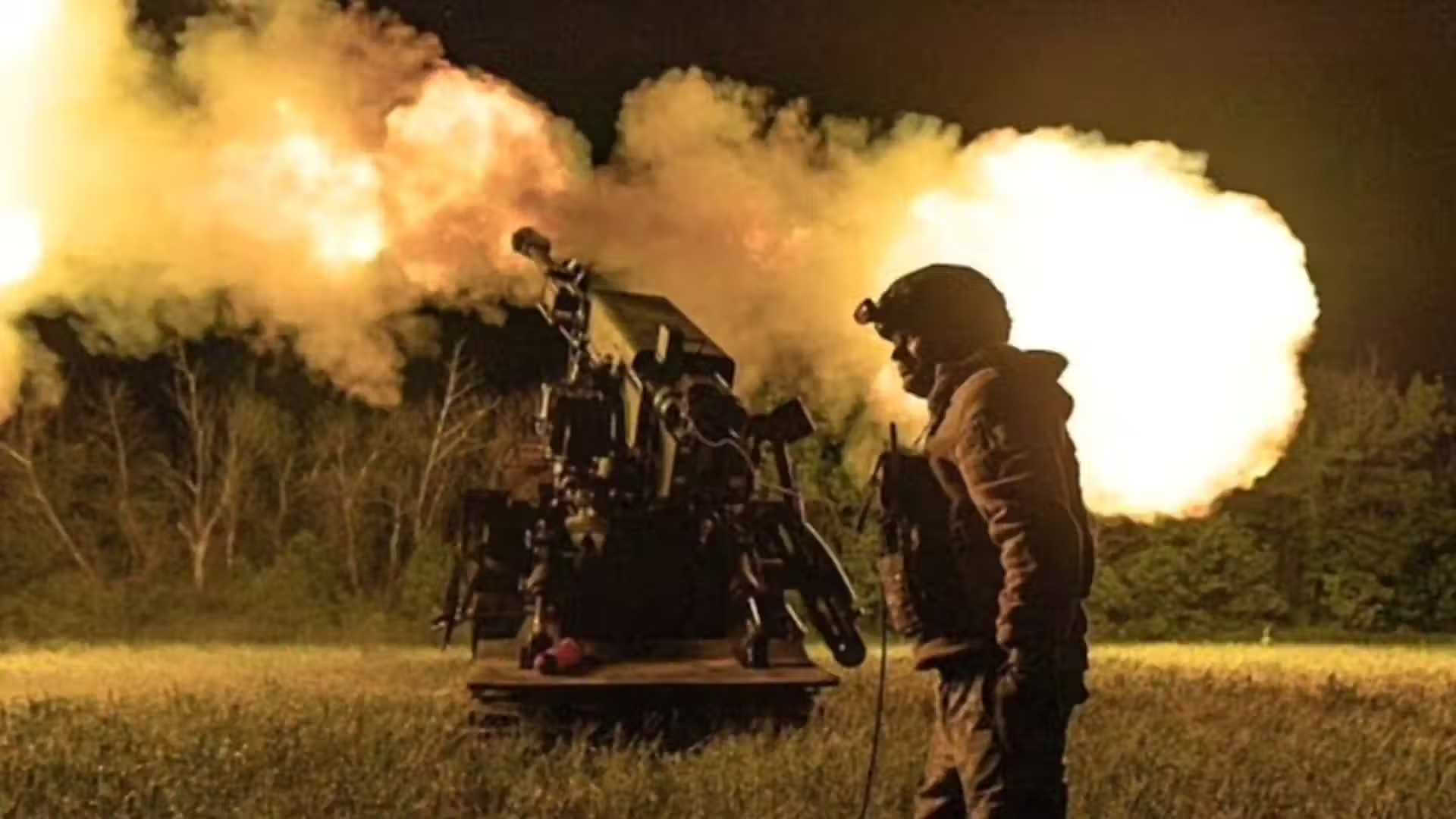
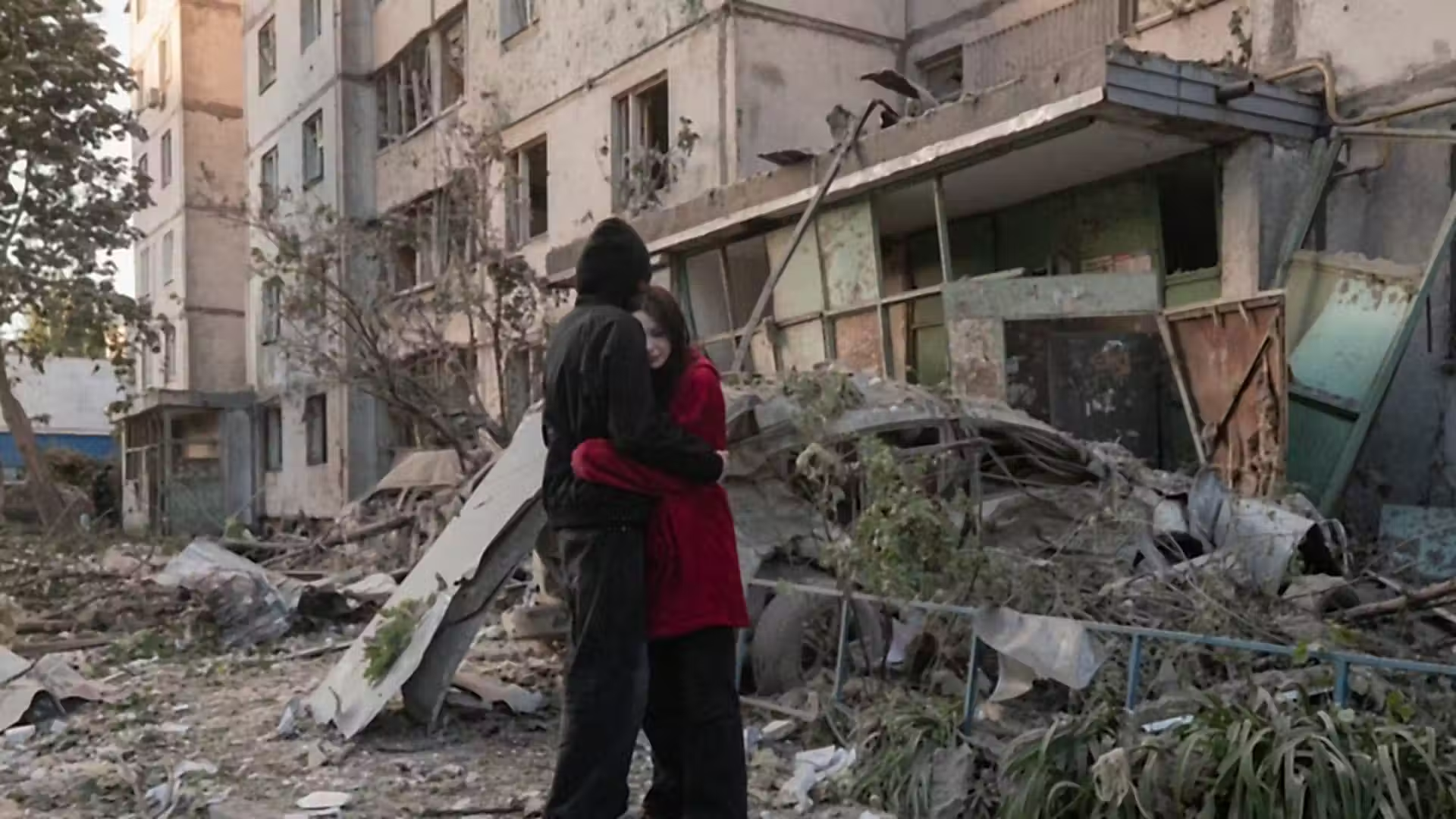
The war in Ukraine reached a historic milestone Thursday, surpassing the duration of the First World War after 1,569 days of conflict, or more than four years and three months, according to multiple sources tracking the conflict.
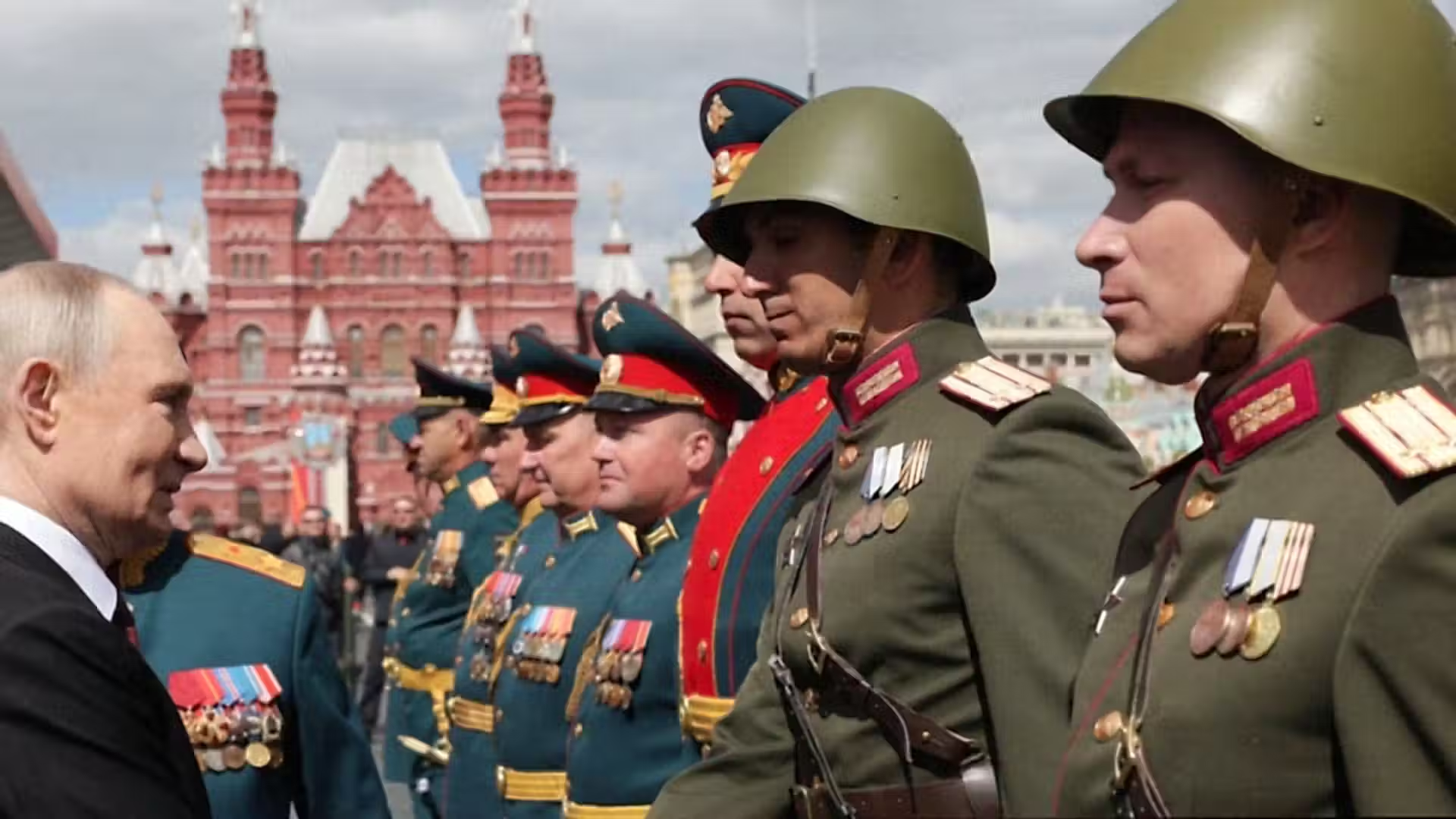
The war began in February 2022 when Russian President Vladimir Putin ordered troops into Ukraine, initially expecting the country to fall within days. As Ukrainian forces repelled the Russian advance and the conflict transformed into a war of attrition, the duration extended far beyond early expectations.
A Ukrainian soldier, speaking on condition of anonymity for security reasons, said he had believed the conflict might be resolved through political consensus within two or three years. The prolonged nature of the war has drawn comparisons to the First World War, particularly regarding the brutal infantry assaults and high casualty rates characteristic of both conflicts.
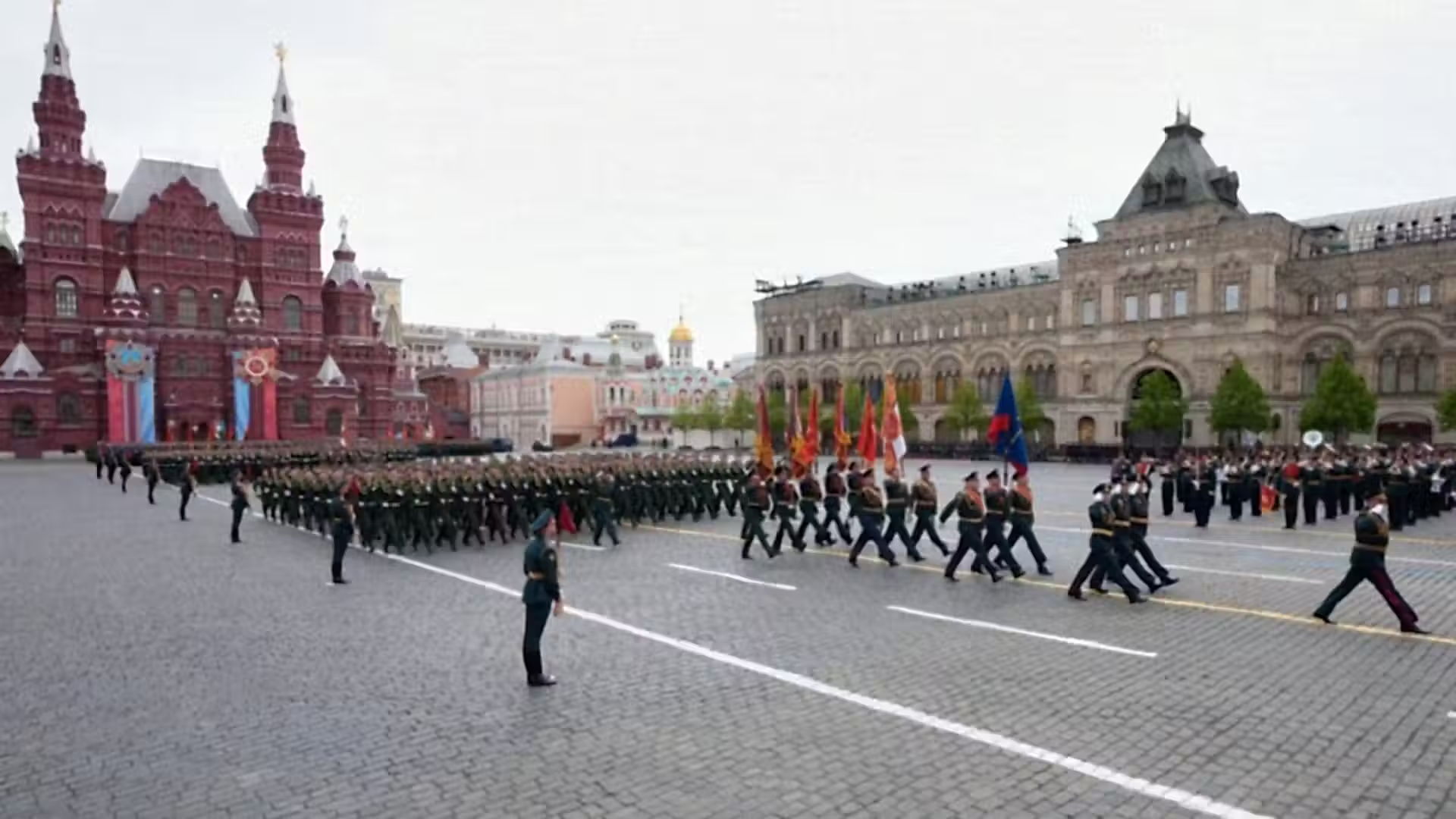
Earlier in 2026, specifically on the night of January 11, the Russian war in Ukraine had already surpassed the duration of the Great Patriotic War—the Soviet Union's term for its conflict against Nazi Germany from June 22, 1941, to May 9, 1945—which lasted 1,418 days.
The Ukraine conflict now stands as one of the longest wars in modern history, with trench warfare, mud, and drone operations defining much of the fighting. The comparison to the First World War extends beyond duration to the nature of the combat itself, with both conflicts characterized by positional warfare and significant loss of life.
Meanwhile, a separate study from Uppsala University in Sweden revealed that the number of conflicts between states has escalated dramatically to its highest level since the end of the Second World War in 1945. The annual report documented 65 active conflicts globally, of which 13 have reached the formal category of open warfare. Global violence has fragmented across multiple fronts and acquired unprecedented lethality over the past three decades, according to the findings.
On Thursday, ambassadors from France, the United Kingdom, and Germany met in Moscow with Russian Deputy Foreign Minister Mikhail Galuzin to discuss the war in Ukraine. The meeting, which lasted approximately one and a half hours, marked an unprecedented step by these European nations since Russia's invasion in February 2022. Nicolas de Rivière, Nigel Casey, and Alexander Lambsdorff participated in the talks, which occurred amid growing European debate about appointing a negotiator to facilitate peace conversations between Kyiv and Moscow. No statements have been released regarding the outcome of the meeting.