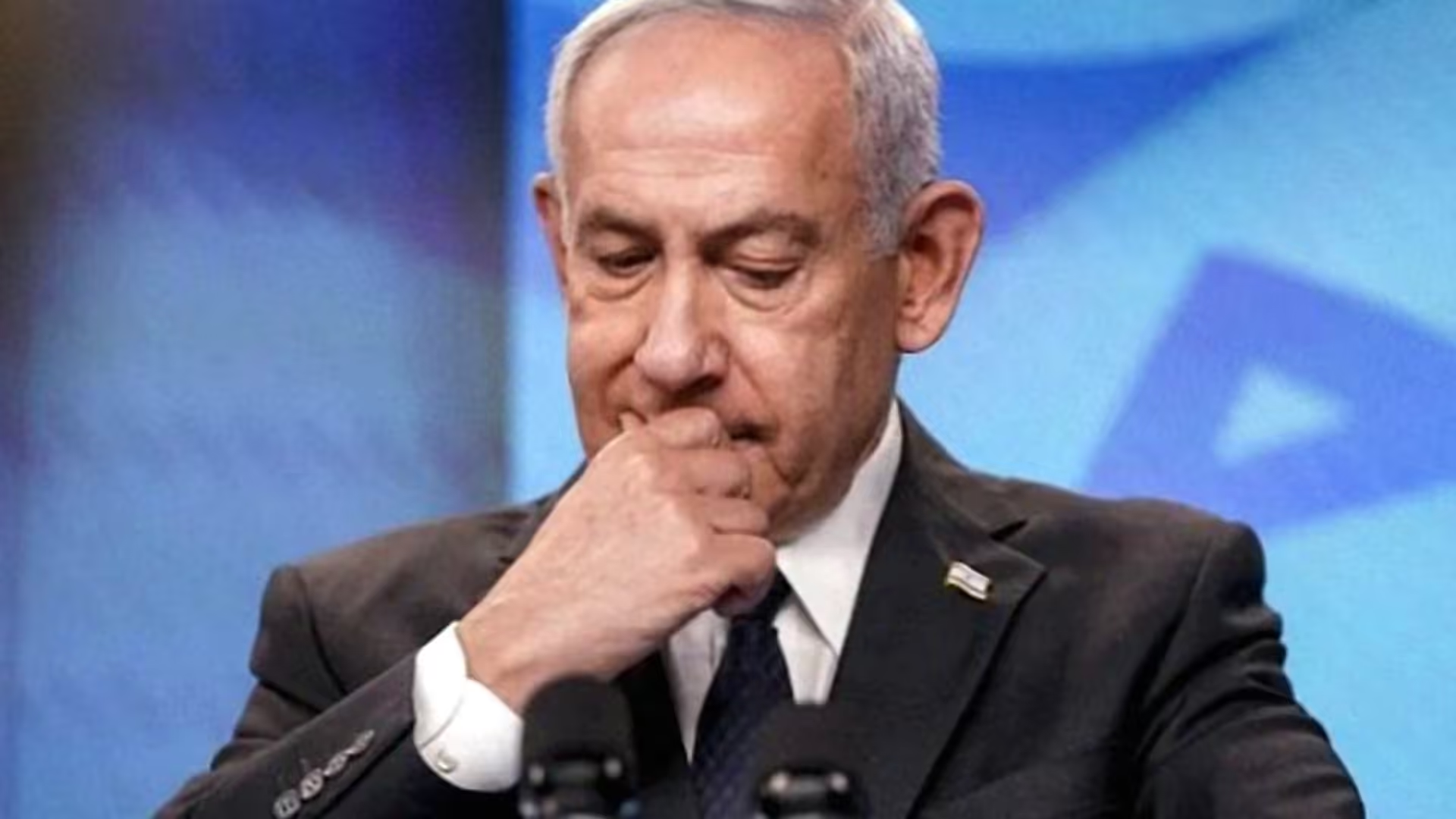
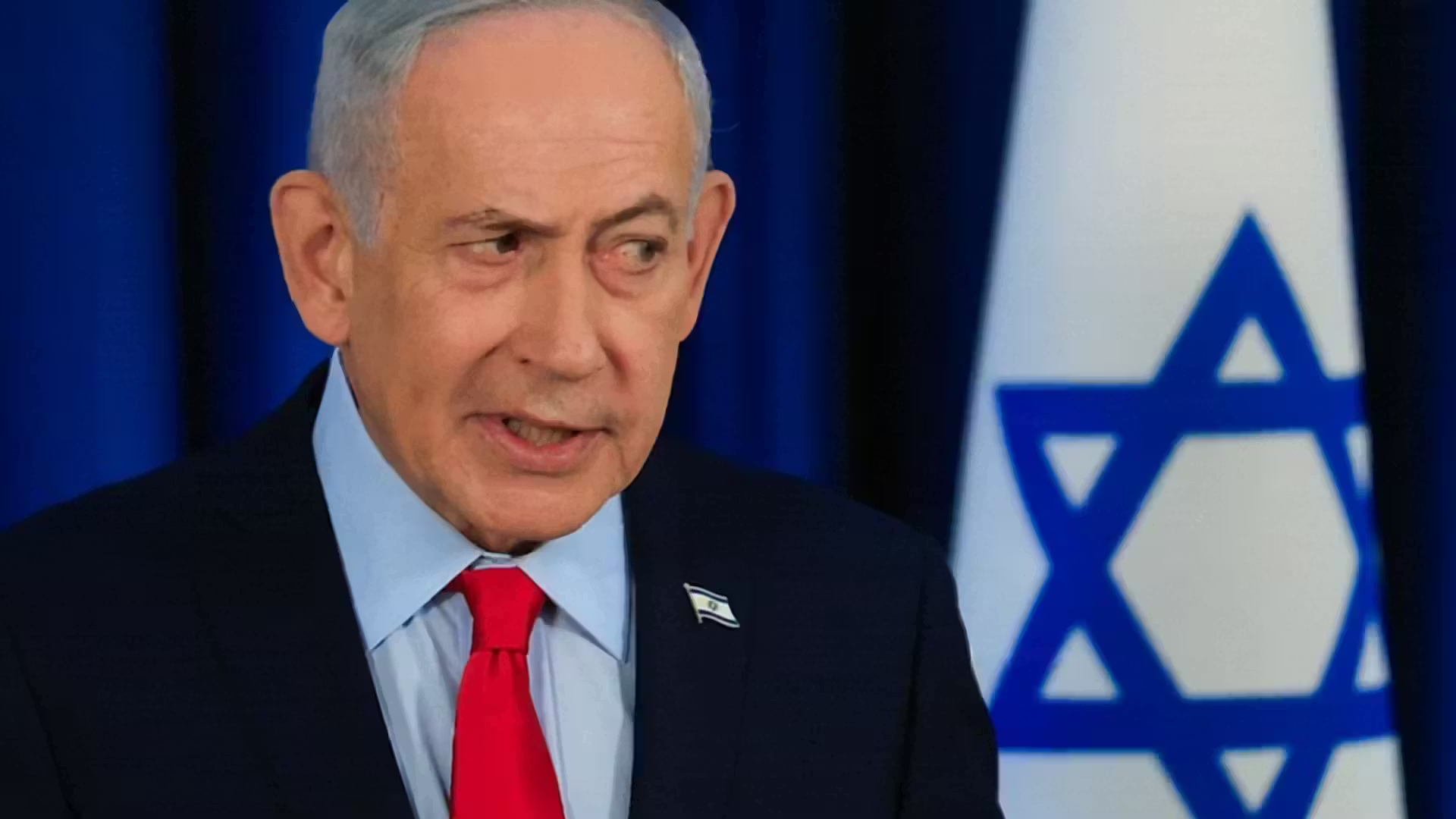
Israeli Prime Minister Benjamin Netanyahu has acknowledged in private conversations that he cannot influence the decisions of U.S. President Donald Trump regarding Iran negotiations, according to Reuters reporting based on Israeli sources.
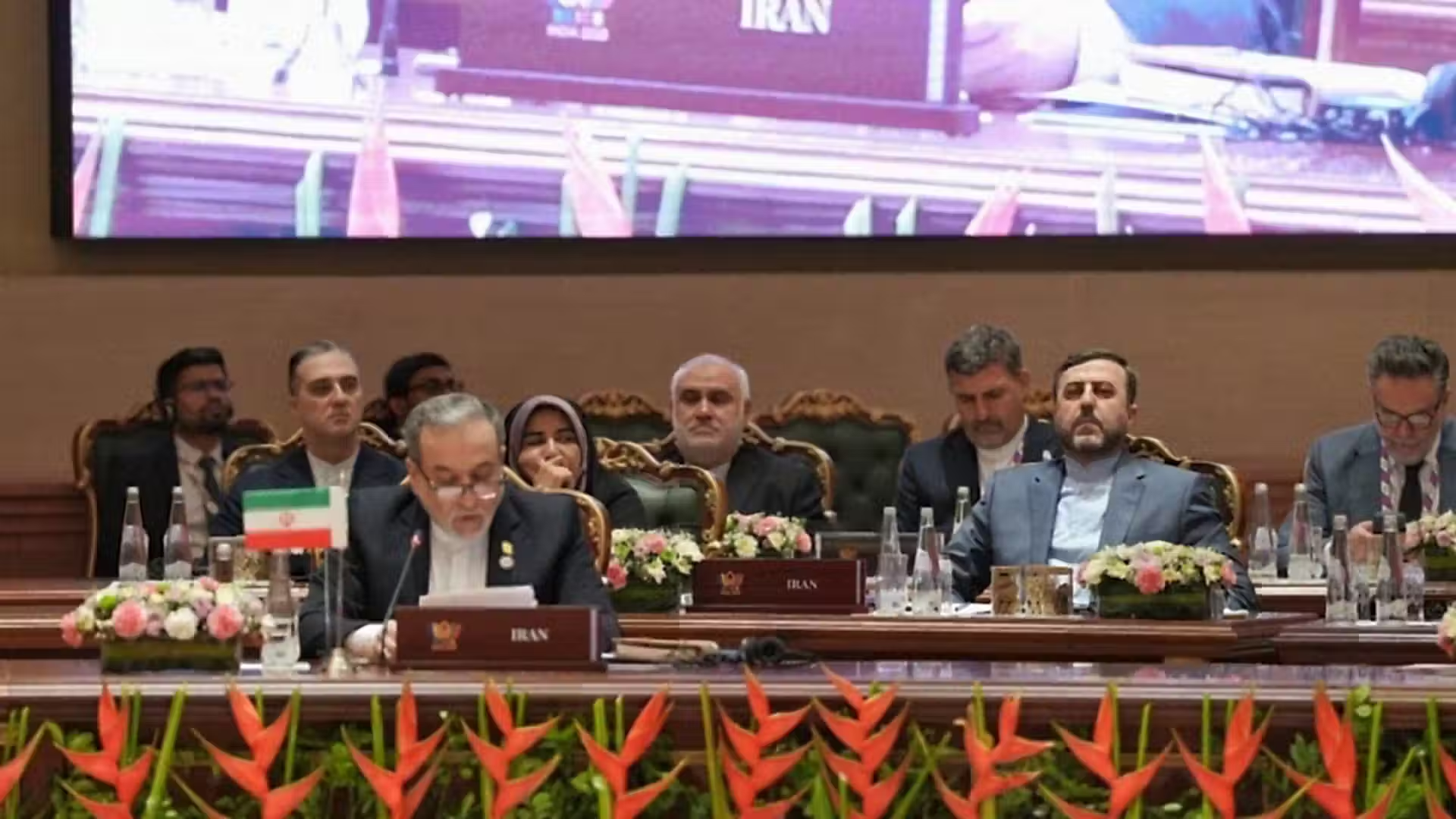
Netanyahu held three phone calls with Trump last week and commented on a possible deal only after the third conversation on Sunday. According to the news agency, Netanyahu has expressed concern over the memorandum of understanding currently being discussed between Washington and Tehran. Israel has largely been left out of these talks, Reuters reported.
An unnamed Israeli official stated that Netanyahu acknowledges he "has no manoeuvre to influence the [U.S.] president right now." The terms of the preliminary agreement under discussion do not address Iran's nuclear program or its stockpile of enriched uranium, both matters of significant concern to Israel.
The acknowledgment comes as Netanyahu faces mounting pressure from his right-wing coalition allies. National Security Minister Itamar Ben Gvir called on Monday for Netanyahu to "strike the table with Trump" and return to "massive war" in Lebanon, including cutting electricity to the neighboring country. Ben Gvir's statement followed recent drone attacks by Hezbollah and occurred amid the Washington-Tehran negotiations.
Netanyahu's court appearance was shortened on Monday due to what he described as "diplomatic and security reasons." His testimony in his ongoing corruption trial, which began six years ago, was cut short, ending at 13:45 local time instead of the scheduled 16:00.
According to Gaza's health ministry, Israeli forces have killed at least 880 Palestinians since a ceasefire agreement was brokered seven months ago, bringing the total death toll from the war to 72,797. Mai El-Sheikh, spokesperson for the United Nations Human Rights Office in Palestine, told Al Jazeera that Israel has transformed the ceasefire as cover for ongoing military operations.
A former Israeli military intelligence official, Dany Citrinowicz, who previously headed the Iran desk at Israel's military intelligence organization, stated in an analysis that Netanyahu's strategy against Iran has failed. He noted that the initial objective of the joint U.S.-Israeli effort—regime change in Tehran—collapsed within days of the conflict's start, attributing the failure to incomplete understanding and miscalculations about Iran's capabilities and internal developments.
Avigdor Lieberman, head of the "Israel Beitenu" party, previously remarked sarcastically that someone who has failed to resolve any front in two and a half years will never be able to do so.